I walked into the bank expecting to withdraw the $3,000 my ex-husband threw at me after ending our 37-YEAR MARRIAGE. Instead, the manager turned her screen and I saw A BOMB OF MONEY under my name. Then I opened his letter and read the line that destroyed me: “I LIED THE DAY OF THE DIVORCE… IT WAS NEVER THREE THOUSAND DOLLARS.”
The teller looked at her screen, then looked back at me, and I knew something was wrong before she spoke.
The bank felt cold enough to raise goosebumps on my skin, but sweat already clung to the back of my neck. I had come there expecting humiliation—a small amount of money from an old card I hated touching. Instead, the young woman behind the counter suddenly looked as if the ground beneath her had shifted.
“Ma’am,” she said carefully, “there isn’t three thousand dollars in this account.”
For one terrible second, my thoughts turned dark. I believed Richard had found one final way to hurt me, leaving me with an empty card after everything that happened between us. My fingers tightened around my worn handbag while I quietly asked how much money was actually there.
The teller didn’t answer immediately.
Instead, she called someone. Less than a minute later, a branch manager walked out carrying a cream envelope with my full name written across the front. The handwriting hit me before the explanation did.
It was Richard’s.
My legs weakened instantly.
The manager gently guided me into her office, closed the door, and turned her computer screen toward me. The number displayed there did not belong to my life, my struggles, or the woman I had become.
$314,287.64.
I stared at it once.
Then again.
I kept waiting for the digits to shrink into something believable—something matching the man who placed a bank card in my hand five years earlier and acted as though I was a burden he no longer wanted to carry. But the number never changed.
“There must be a mistake,” I whispered.
The manager shook her head and explained the account belonged entirely to me. Richard funded it himself and left instructions that the envelope should only be handed over if I came in person and tried to use the card.
I sat down because the room had begun to tilt.
For five years that card sat untouched inside a shoebox in the tiny rented room where I lived. The roof leaked when it rained. Winters crept through the walls. I treated the card like poison because touching it felt like accepting what Richard believed I was worth.
Five years earlier, after our divorce became official, Richard handed me that card in the courthouse hallway.
We had been married thirty-seven years. We raised two children in Chicago, survived layoffs, debt, illness, freezing winters, and years caring for his mother together. We were never the kind of couple people wrote love stories about, but we built a life side by side.
Then everything changed.
During the final year of our marriage, Richard became distant. He guarded his phone, disappeared at odd hours, and stared through me during dinner conversations. When I asked if there was another woman, he laughed without warmth and told me not to be ridiculous.
Three months later he filed for divorce.
At the courthouse he pressed the card into my hand and casually said, “Take it. That should keep you going a little while.” I wanted to throw it back at him. I wanted answers for how thirty-seven years ended in paperwork and one small plastic card. Instead, I stayed silent because I refused to let him see me break.
I never used it.
I rented a room that smelled damp in summer and cold in winter. I cleaned houses, collected cans, took odd jobs, skipped meals, and lied to my children that everything was fine. Some nights hunger burned so badly sleep came in pieces.
My children helped when they could.
They brought groceries and slipped money into my purse, but they had families and struggles of their own. I had spent my whole life learning how to survive quietly.
So I survived.
Then, a few days before coming to the bank, I collapsed outside my room.
The doctor told me I needed treatment immediately. Tests. Medication. Care. He spoke as though health happened on schedule and money simply appeared when needed. That night I climbed onto a chair, pulled down the shoebox, and stared at the forgotten card for nearly an hour.
By morning I stood inside the bank.
And now I was looking at a number large enough to rewrite my future.
My hands shook opening Richard’s envelope.
Inside sat a letter and a business card from an attorney I had never heard of. I unfolded the letter and immediately recognized Richard’s handwriting.
The first sentence stole the air from my lungs.
“If you are reading this, then I was wrong about how long your pride would keep you from touching what was always yours.”

Related Posts
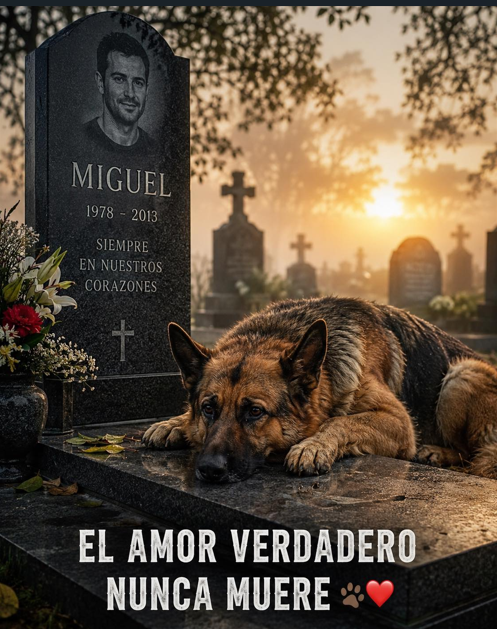
Nunca lo llevaron a ese lugar… pero encontró el camino solo.. Tras la muerte de su dueño, desapareció de casa. Meses después, lo encontraron junto a su tumba…😢💔
Cuando su dueño falleció repentinamente, el fiel animal desapareció de la casa. La familia pensó que lo habían perdido para siempre, hasta que meses después visitaron el…


«No pudo contenerse: la contundente respuesta de Jennifer Lopez a una famosa presentadora tras un incómodo momento en vivo»👉 ¡Lee la historia completa y emocionante aquí! 👇
La famosa estrella Jennifer Lopez vuelve a estar en el centro de atención de los medios mundiales, pero esta vez el motivo no es su nuevo concierto…
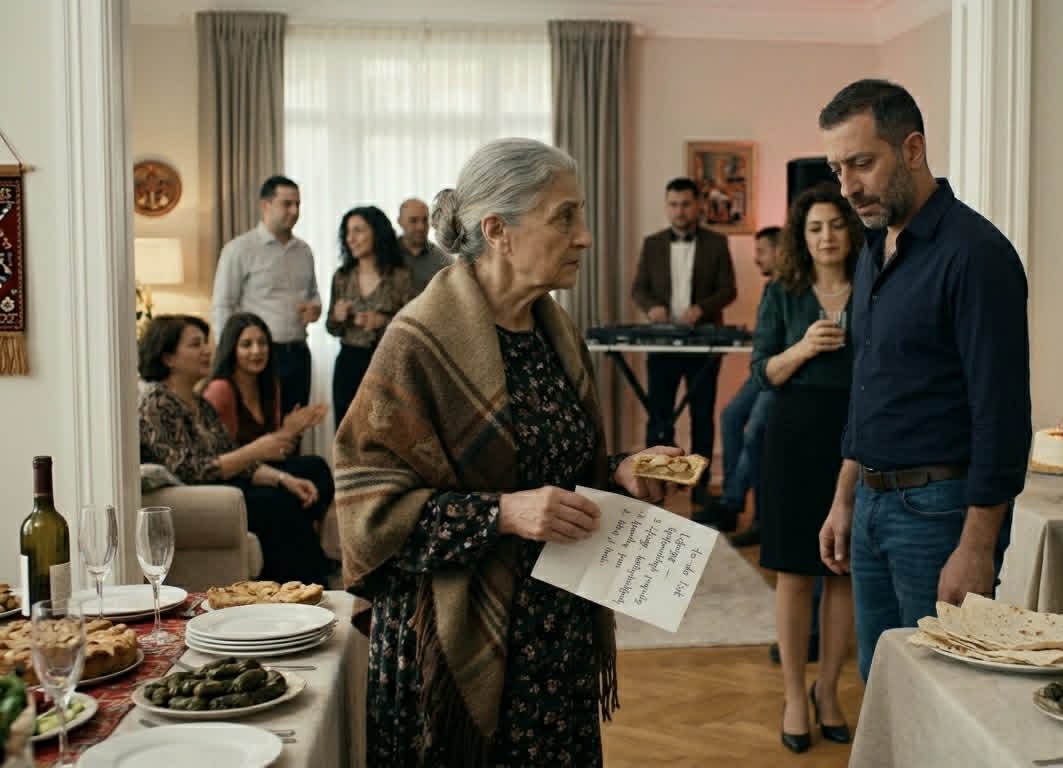
💔 MI HIJO ME INVITÓ A SU CUMPLEAÑOS 40… pero allí no me esperaba una familia, sino una “lista de tareas”La llamada de Aarón me hizo inmensamente feliz. Hacía mucho tiempo que apenas nos comunicábamos en familia. Esa mañana, preparé con mucho amor su tarta de manzana favorita y fui.Pero nada más llegar a la casa, me di cuenta de que no era una fiesta de cumpleaños normal… La música estaba alta, la casa llena de invitados y yo me sentía totalmente invisible.Entré a la cocina con mi regalo en las manos: — Feliz cumpleaños, hijo —le dije sonriendo.Pero mi nuera, Laura, ni siquiera me sonrió. Simplemente señaló la nevera. Allí había un papel pegado 📝 “Lavar la ropa, bañar a los niños, doblar la ropa, pasear al perro, limpiar el patio”.— Estas son tus tareas para hoy —dijo Laura con total frialdad.Miré a mi hijo: — Mamá, por favor, solo ayuda un poco… Laura está ocupada con los invitados —dijo él con indiferencia.En ese momento, algo se rompió dentro de mí. Por un segundo pensé en hacer lo de siempre: callar, sonreír y obedecer… Pero esta vez, no.Tomé el papel, lo doblé y le dije tranquilamente… 👉 ¡Lee la historia completa y emocionante aquí! 👇
Está bien… si hoy se necesita ayuda, yo ayudaré.Y realmente empecé a ayudar… Pero no de la manera que ellos esperaban… Empecé a hacerlo todo en absoluto…
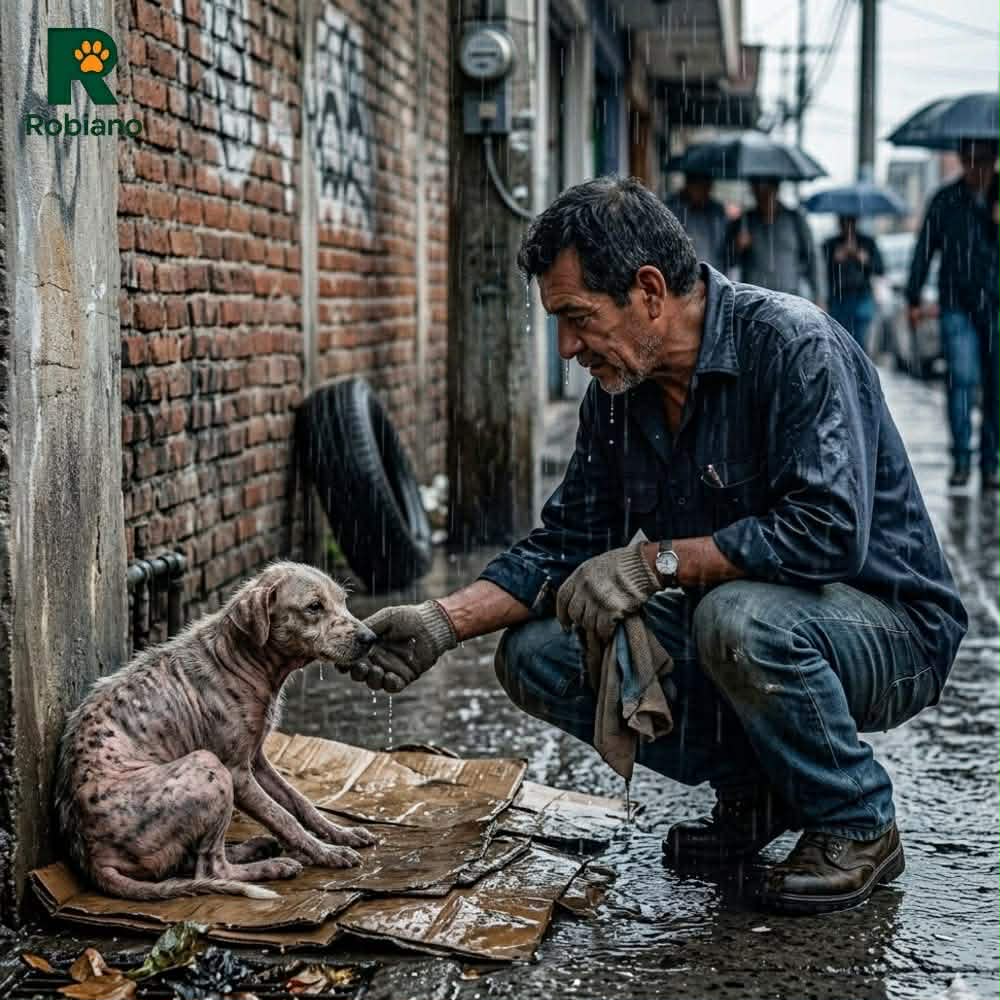
💔EL PERRO INVISIBLE QUE NADIE QUERÍA VER” Cientos de personas pasaban a su lado cada mañana en la entrada del mercado. Para todos ellos, “Manchas” era simplemente parte del paisaje: un perro callejero más, flaco y sin pelo, durmiendo sobre un cartón húmedo. La gente caminaba rápido para evitar mirarlo a los ojos. Como si la pobreza del animal fuera contagiosa. Manchas ya no pedía comida. No movía la cola ni se acercaba a los puestos. Había aprendido que un acercamiento significaba un grito o, peor aún, una patada. Solo miraba el suelo, esperando que el día terminara. Estaba completamente rendido. Un viernes de invierno, una tormenta helada inundó el mercado. Todos corrieron a refugiarse, pero Manchas estaba demasiado débil para levantarse. El agua congelada empezó a cubrir su cartón. Fue en ese momento cuando un camión de verduras se detuvo frente a él. El chofer, un hombre de manos ásperas por el trabajo duro, bajó para descargar la mercancía. Al ver al perro temblando en el agua, se detuvo en seco. Los comerciantes le gritaron: “¡No pierdas el tiempo, Carlos, ese perro ya no pasa de hoy! 👇
EL PERRO INVISIBLE QUE NADIE QUERÍA VER” Los comerciantes le gritaron: “¡No pierdas el tiempo, Carlos, ese perro ya no pasa de hoy! arlos no respondió a…

Ni siquiera el cabello naranja le queda mal 😌🧡 A sus 17 años, Knox, el hijo de Angelina Jolie y Brad Pitt, parece haber despertado su lado más rebelde. 😏 El joven boxeador sigue experimentando con su estilo y su nueva apariencia ya está dando mucho de qué hablar. Muchos creen que ha heredado el espíritu inconformista de su madre. En su juventud, Angelina se describía como una «chica punk llena de tatuajes» y nunca tuvo miedo de romper las reglas. 🤘 ¿Tú qué opinas? ¿Knox se parece más a Angelina o a Brad? 👇 📸 Las nuevas fotos están en el primer comentario.
l hijo de 17 años de Angelina Jolie y Brad Pitt sigue experimentando con su estilo y llamando la atención con sus atrevidos cambios de imagen. Muchos…