Twelve days after burying my husband, my mother-in-law walked into my house, measured my daughter’s nursery, pushed estate papers across the table, and said, “YOU KEEP THE CHILD. THE ASSETS COME BACK TO FAMILY.” I signed everything without a fight. She smiled like she had won—until her lawyer opened the files and whispered, “YOU DIDN’T INHERIT AN EMPIRE… YOU INHERITED A PRISON SENTENCE.” The truth hidden under my husband’s desk was about to destroy them all.
The house still smelled faintly of sandalwood.
Twelve days after my husband died, traces of Joel Whitmore’s cologne still lingered in our kitchen outside Chicago. His coffee mug remained beside the sink. His jacket still hung by the entryway. Everywhere I looked, there were reminders of a man whose death had ripped a hole through our lives. I was thirty-four years old, newly widowed, and trying to keep breathing for our four-year-old daughter Maya.
But grief didn’t stay private for long.
The silence inside my house shattered when my brother-in-law Spencer Whitmore walked through the living room carrying a tape measure. He stretched it across hardwood floors, photographed furniture, and checked room dimensions while humming under his breath. He looked less like a grieving brother and more like a man preparing inventory before an auction.
Standing opposite me at the kitchen island was my mother-in-law.
Carla Whitmore.
Perfect hair. Designer suit. No tears.
She hadn’t cried at Joel’s funeral. She hadn’t hugged me. She hadn’t even asked how Maya was surviving after losing her father. She was here for something else entirely.
She dropped a legal folder onto the marble counter.
“Joel’s law firm was built with my money,” she said coldly. “The down payment on this house came from me. The Whitmore name built everything. I’m taking back what belongs to this family.”
I stared at her.
“Joel died less than two weeks ago.”
Carla didn’t blink.
“Grief doesn’t stop business.”
Then she explained her plan.
The house.
The law firm.
The accounts.
The estate.
Everything would transfer to her. She leaned closer and reminded me I was a stay-at-home mother with an art history degree and no experience running a corporate firm. In her mind, I wasn’t a widow.
I was temporary.
I looked toward the hallway where Maya slept.
“And my daughter?”
Carla waved dismissively.
“You keep the child.”
The room went cold.
“The assets return to family. The girl stays with you.”

Related Posts

Nunca lo llevaron a ese lugar… pero encontró el camino solo.. Tras la muerte de su dueño, desapareció de casa. Meses después, lo encontraron junto a su tumba…😢💔
Cuando su dueño falleció repentinamente, el fiel animal desapareció de la casa. La familia pensó que lo habían perdido para siempre, hasta que meses después visitaron el…


«No pudo contenerse: la contundente respuesta de Jennifer Lopez a una famosa presentadora tras un incómodo momento en vivo»👉 ¡Lee la historia completa y emocionante aquí! 👇
La famosa estrella Jennifer Lopez vuelve a estar en el centro de atención de los medios mundiales, pero esta vez el motivo no es su nuevo concierto…
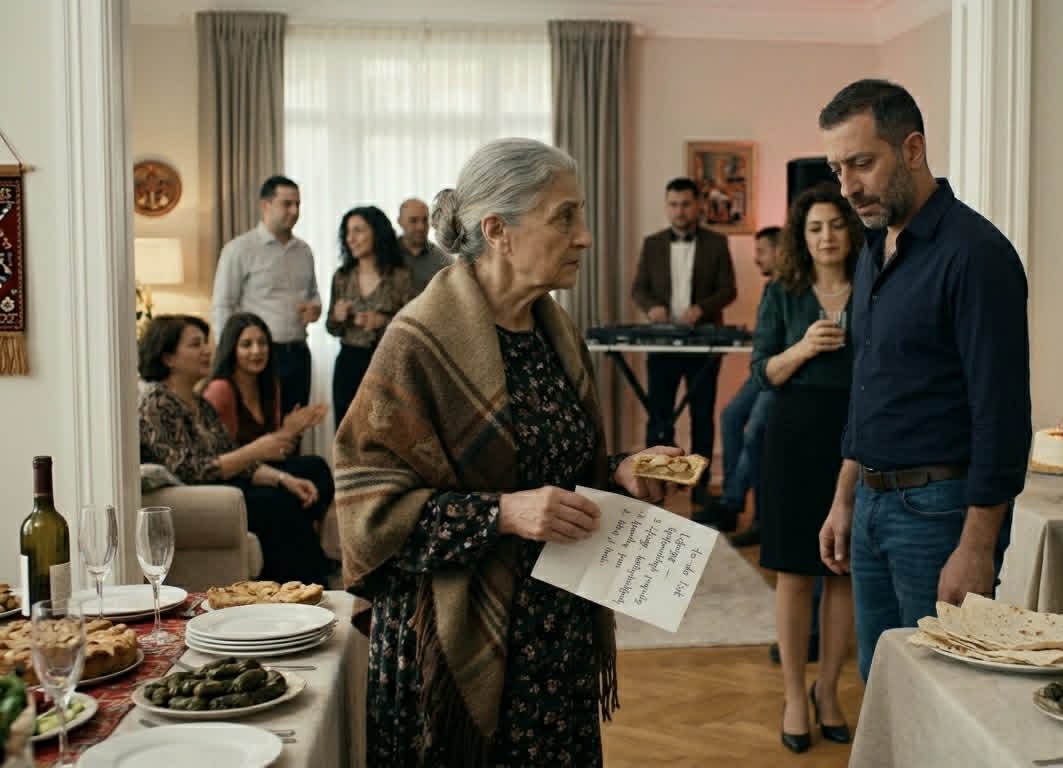
💔 MI HIJO ME INVITÓ A SU CUMPLEAÑOS 40… pero allí no me esperaba una familia, sino una “lista de tareas”La llamada de Aarón me hizo inmensamente feliz. Hacía mucho tiempo que apenas nos comunicábamos en familia. Esa mañana, preparé con mucho amor su tarta de manzana favorita y fui.Pero nada más llegar a la casa, me di cuenta de que no era una fiesta de cumpleaños normal… La música estaba alta, la casa llena de invitados y yo me sentía totalmente invisible.Entré a la cocina con mi regalo en las manos: — Feliz cumpleaños, hijo —le dije sonriendo.Pero mi nuera, Laura, ni siquiera me sonrió. Simplemente señaló la nevera. Allí había un papel pegado 📝 “Lavar la ropa, bañar a los niños, doblar la ropa, pasear al perro, limpiar el patio”.— Estas son tus tareas para hoy —dijo Laura con total frialdad.Miré a mi hijo: — Mamá, por favor, solo ayuda un poco… Laura está ocupada con los invitados —dijo él con indiferencia.En ese momento, algo se rompió dentro de mí. Por un segundo pensé en hacer lo de siempre: callar, sonreír y obedecer… Pero esta vez, no.Tomé el papel, lo doblé y le dije tranquilamente… 👉 ¡Lee la historia completa y emocionante aquí! 👇
Está bien… si hoy se necesita ayuda, yo ayudaré.Y realmente empecé a ayudar… Pero no de la manera que ellos esperaban… Empecé a hacerlo todo en absoluto…

💔EL PERRO INVISIBLE QUE NADIE QUERÍA VER” Cientos de personas pasaban a su lado cada mañana en la entrada del mercado. Para todos ellos, “Manchas” era simplemente parte del paisaje: un perro callejero más, flaco y sin pelo, durmiendo sobre un cartón húmedo. La gente caminaba rápido para evitar mirarlo a los ojos. Como si la pobreza del animal fuera contagiosa. Manchas ya no pedía comida. No movía la cola ni se acercaba a los puestos. Había aprendido que un acercamiento significaba un grito o, peor aún, una patada. Solo miraba el suelo, esperando que el día terminara. Estaba completamente rendido. Un viernes de invierno, una tormenta helada inundó el mercado. Todos corrieron a refugiarse, pero Manchas estaba demasiado débil para levantarse. El agua congelada empezó a cubrir su cartón. Fue en ese momento cuando un camión de verduras se detuvo frente a él. El chofer, un hombre de manos ásperas por el trabajo duro, bajó para descargar la mercancía. Al ver al perro temblando en el agua, se detuvo en seco. Los comerciantes le gritaron: “¡No pierdas el tiempo, Carlos, ese perro ya no pasa de hoy! 👇
EL PERRO INVISIBLE QUE NADIE QUERÍA VER” Los comerciantes le gritaron: “¡No pierdas el tiempo, Carlos, ese perro ya no pasa de hoy! arlos no respondió a…

Ni siquiera el cabello naranja le queda mal 😌🧡 A sus 17 años, Knox, el hijo de Angelina Jolie y Brad Pitt, parece haber despertado su lado más rebelde. 😏 El joven boxeador sigue experimentando con su estilo y su nueva apariencia ya está dando mucho de qué hablar. Muchos creen que ha heredado el espíritu inconformista de su madre. En su juventud, Angelina se describía como una «chica punk llena de tatuajes» y nunca tuvo miedo de romper las reglas. 🤘 ¿Tú qué opinas? ¿Knox se parece más a Angelina o a Brad? 👇 📸 Las nuevas fotos están en el primer comentario.
l hijo de 17 años de Angelina Jolie y Brad Pitt sigue experimentando con su estilo y llamando la atención con sus atrevidos cambios de imagen. Muchos…