On my 32nd birthday, my grandfather looked at me across the cake and said, “Show me what you did with the $3.4 million I left for you.” My mother went white, my father shattered a wine glass, and I opened the folders that could destroy my entire family.
The candles were still burning when he said it.
Thirty-two little flames flickered on top of my birthday cake while everyone sat frozen around the dining table. A few seconds earlier, they had all been singing, smiling, clapping, pretending we were a happy family.
Then my grandfather asked the question that turned my birthday into a courtroom.
“Show me, Valerie,” he said, his voice calm but sharp, “where the $3.4 million went. The money that was placed in trust for you the day you were born.”
My fork slipped from my hand.
My mother’s face lost all color. My father reached for his wine glass, missed the stem, and knocked it straight onto the marble floor, where it exploded into red wine and broken glass.
My younger brother, Dylan, stopped smiling. My boyfriend, Andrew, squeezed my hand under the table, confused and scared, because he had no idea why my birthday dinner had suddenly become a trial.
I didn’t know either.
We were sitting in my parents’ house in Highland Park, Dallas, the kind of house my mother loved to show off. White marble floors, custom kitchen, imported chandeliers, a backyard fountain that sounded peaceful enough to make people believe money had never been a problem there.
But my entire life, my parents had told me the opposite.
There was no money for grad school. No money to help me start my bakery. No money when my car broke down. No money when I was working two jobs and crying in the parking lot because I didn’t know how I was going to pay rent.
I had learned to survive alone because they told me I had no choice.
My grandfather, Robert, was eighty years old and had flown in from Denver that morning with almost no warning. He brought a serious-looking woman in a charcoal suit carrying a black leather briefcase, and introduced her as “Ms. Coleman, an old family attorney.”
Nobody asked questions.
My mother served dinner like nothing was strange. My father tried to make jokes. Dylan talked about his new condo in Austin like he had bought it with discipline and hard work.
Then Grandpa Robert waited until the birthday song ended.
And he dropped the bomb.
“I don’t know what you’re talking about,” I said, my voice barely holding together. “I never received any trust fund.”
The room went so quiet I could hear wax dripping down the candles.
My grandfather closed his eyes for one second, like my answer had confirmed something he had feared for years. Then he looked at Ms. Coleman.
She opened the briefcase and placed several folders on the table. Each one had a year written on the label: 2001, 2006, 2011, 2018, 2023.
My mother whispered, “Dad… please don’t.”
My grandfather didn’t even look at her.
“The day you were born,” he said to me, “I created a trust in your name. Your parents were named temporary administrators until you turned twenty-five. After that, every dollar was supposed to be transferred to you.”
I stared at him, unable to blink.
“By the time you turned twenty-five,” he continued, “it was worth approximately $3.4 million.”
My father stood up so fast his chair scraped against the floor.
“Dad, not here,” he said. “Not in front of her.”
My grandfather’s voice turned colder. “Especially in front of her. Because she is the one you stole from.”
My mother covered her mouth with both hands.
Ms. Coleman opened the first folder and began reading. For years, the money had grown untouched. Investments. Interest. Dividends. Everything my grandfather had built for me had been sitting there quietly, waiting for the day I was supposed to receive it.
Then the withdrawals started.
At first, they were small.
Then they became enormous.
In 2015, a down payment on the house we were sitting in.
In 2016, the kitchen renovation my mother bragged about to every guest.
In 2017, my father’s luxury SUV.
In 2018, the same year the trust was supposed to become mine, nearly $420,000 disappeared in one transfer.
That same year, I was living in a tiny rented room, selling cupcakes online, and crying because my bakery was days away from closing.
I looked around the dining room and suddenly saw everything differently.
The chandelier. The marble floors. The silver serving trays. The fountain in the backyard.
They hadn’t built a beautiful life.
They had built it with mine.
Then Ms. Coleman turned to another page, and her voice became even more careful.
“Beginning in 2019,” she said, “large recurring transfers were made from the trust into an investment account under Dylan’s name.”
I turned toward my brother.
Dylan’s face went pale. He opened his mouth, but nothing came out.
The condo in Austin. The expensive watches. The vacations he claimed were “work trips.” The confidence he wore like he had earned every piece of his life.
My mother reached for me across the table.
“Valerie,” she whispered, “let us explain.”
But I pulled my hand away.
Because suddenly, I couldn’t breathe.
For years, I thought I had failed because I wasn’t smart enough, lucky enough, or strong enough. I thought my parents were strict because they wanted me to learn responsibility. I thought my brother was successful because he had figured life out faster than I had.
But the truth was sitting in front of me in labeled folders.
They hadn’t watched me struggle.
They had funded everyone else while I drowned.
The backyard fountain kept running, soft and cheerful, like nothing had happened. And in that moment, I realized even that sound had been paid for with the future they stole from me.
But the worst folder was still unopened.
And when Ms. Coleman slid it across the table and said, “Valerie, this one involves your signature,” my mother burst into tears before I even touched it.
That was when I knew this wasn’t just about stolen money.
It was about a lie that had followed me my entire life.

Related Posts
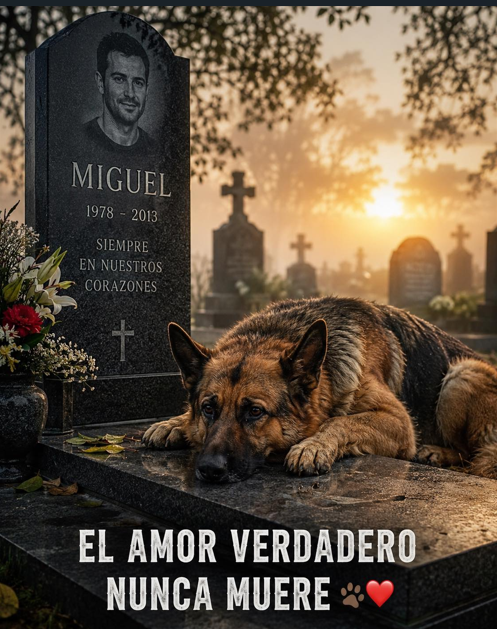
Nunca lo llevaron a ese lugar… pero encontró el camino solo.. Tras la muerte de su dueño, desapareció de casa. Meses después, lo encontraron junto a su tumba…😢💔
Cuando su dueño falleció repentinamente, el fiel animal desapareció de la casa. La familia pensó que lo habían perdido para siempre, hasta que meses después visitaron el…


«No pudo contenerse: la contundente respuesta de Jennifer Lopez a una famosa presentadora tras un incómodo momento en vivo»👉 ¡Lee la historia completa y emocionante aquí! 👇
La famosa estrella Jennifer Lopez vuelve a estar en el centro de atención de los medios mundiales, pero esta vez el motivo no es su nuevo concierto…
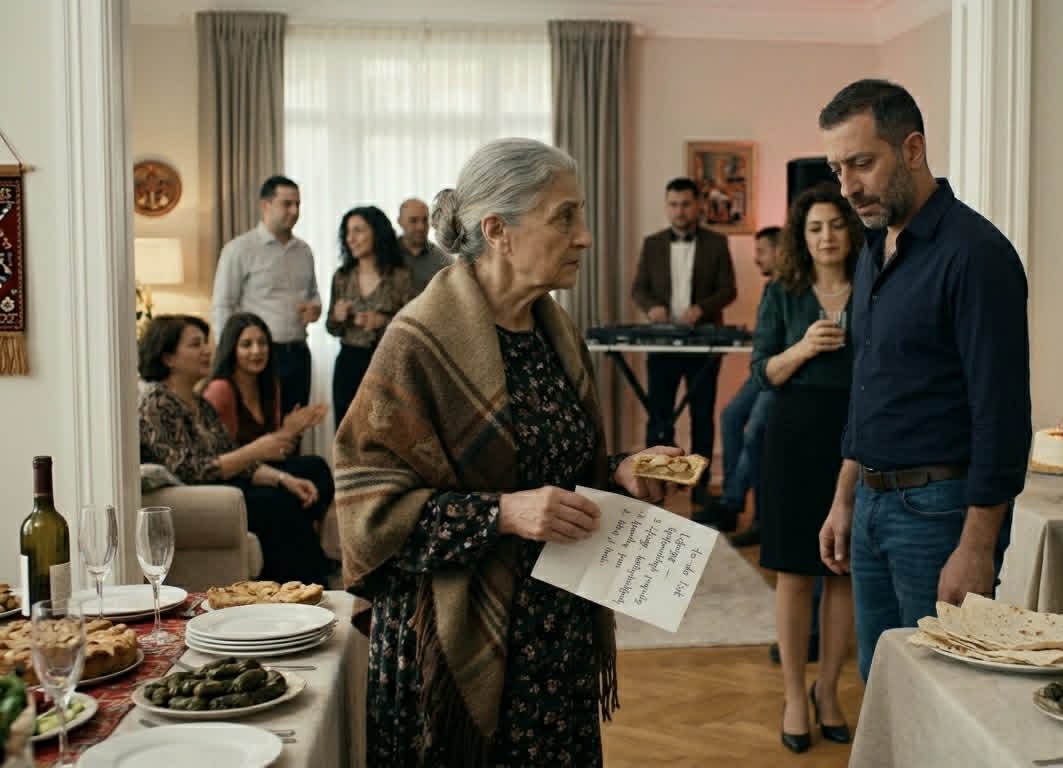
💔 MI HIJO ME INVITÓ A SU CUMPLEAÑOS 40… pero allí no me esperaba una familia, sino una “lista de tareas”La llamada de Aarón me hizo inmensamente feliz. Hacía mucho tiempo que apenas nos comunicábamos en familia. Esa mañana, preparé con mucho amor su tarta de manzana favorita y fui.Pero nada más llegar a la casa, me di cuenta de que no era una fiesta de cumpleaños normal… La música estaba alta, la casa llena de invitados y yo me sentía totalmente invisible.Entré a la cocina con mi regalo en las manos: — Feliz cumpleaños, hijo —le dije sonriendo.Pero mi nuera, Laura, ni siquiera me sonrió. Simplemente señaló la nevera. Allí había un papel pegado 📝 “Lavar la ropa, bañar a los niños, doblar la ropa, pasear al perro, limpiar el patio”.— Estas son tus tareas para hoy —dijo Laura con total frialdad.Miré a mi hijo: — Mamá, por favor, solo ayuda un poco… Laura está ocupada con los invitados —dijo él con indiferencia.En ese momento, algo se rompió dentro de mí. Por un segundo pensé en hacer lo de siempre: callar, sonreír y obedecer… Pero esta vez, no.Tomé el papel, lo doblé y le dije tranquilamente… 👉 ¡Lee la historia completa y emocionante aquí! 👇
Está bien… si hoy se necesita ayuda, yo ayudaré.Y realmente empecé a ayudar… Pero no de la manera que ellos esperaban… Empecé a hacerlo todo en absoluto…
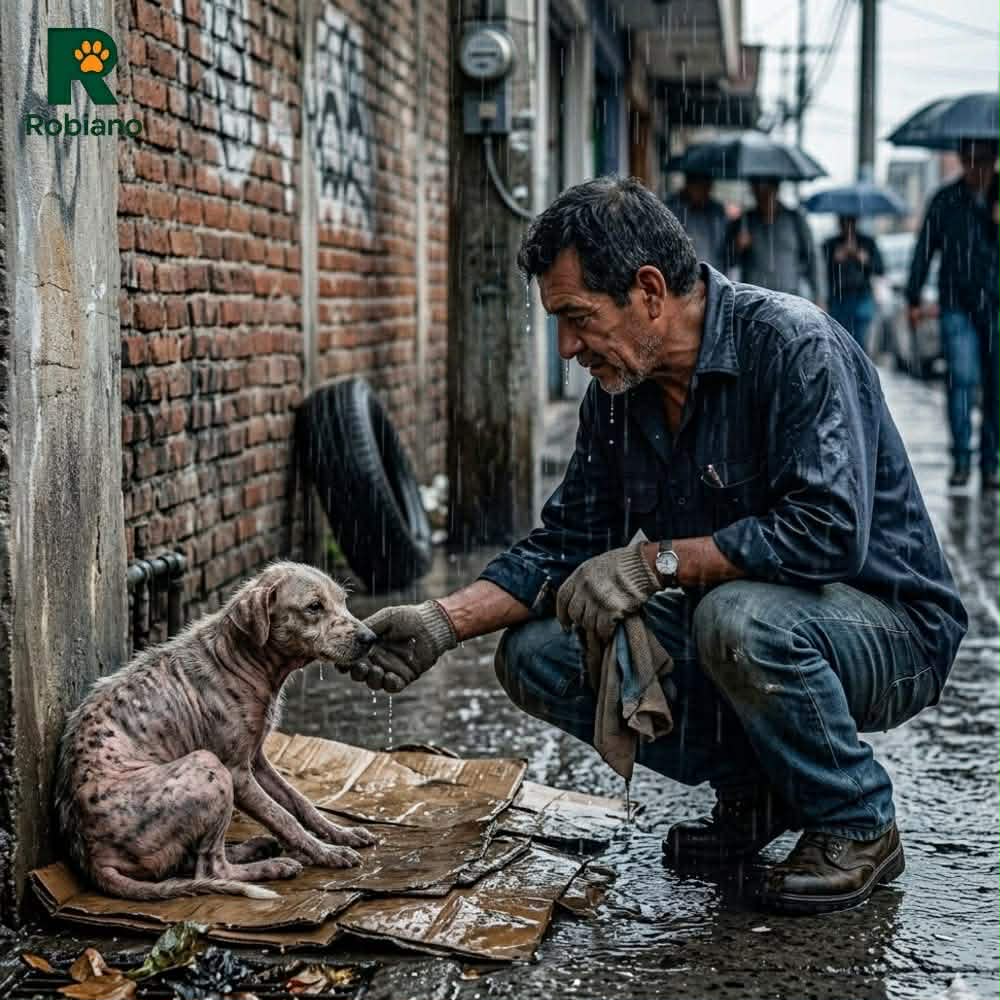
💔EL PERRO INVISIBLE QUE NADIE QUERÍA VER” Cientos de personas pasaban a su lado cada mañana en la entrada del mercado. Para todos ellos, “Manchas” era simplemente parte del paisaje: un perro callejero más, flaco y sin pelo, durmiendo sobre un cartón húmedo. La gente caminaba rápido para evitar mirarlo a los ojos. Como si la pobreza del animal fuera contagiosa. Manchas ya no pedía comida. No movía la cola ni se acercaba a los puestos. Había aprendido que un acercamiento significaba un grito o, peor aún, una patada. Solo miraba el suelo, esperando que el día terminara. Estaba completamente rendido. Un viernes de invierno, una tormenta helada inundó el mercado. Todos corrieron a refugiarse, pero Manchas estaba demasiado débil para levantarse. El agua congelada empezó a cubrir su cartón. Fue en ese momento cuando un camión de verduras se detuvo frente a él. El chofer, un hombre de manos ásperas por el trabajo duro, bajó para descargar la mercancía. Al ver al perro temblando en el agua, se detuvo en seco. Los comerciantes le gritaron: “¡No pierdas el tiempo, Carlos, ese perro ya no pasa de hoy! 👇
EL PERRO INVISIBLE QUE NADIE QUERÍA VER” Los comerciantes le gritaron: “¡No pierdas el tiempo, Carlos, ese perro ya no pasa de hoy! arlos no respondió a…

Ni siquiera el cabello naranja le queda mal 😌🧡 A sus 17 años, Knox, el hijo de Angelina Jolie y Brad Pitt, parece haber despertado su lado más rebelde. 😏 El joven boxeador sigue experimentando con su estilo y su nueva apariencia ya está dando mucho de qué hablar. Muchos creen que ha heredado el espíritu inconformista de su madre. En su juventud, Angelina se describía como una «chica punk llena de tatuajes» y nunca tuvo miedo de romper las reglas. 🤘 ¿Tú qué opinas? ¿Knox se parece más a Angelina o a Brad? 👇 📸 Las nuevas fotos están en el primer comentario.
l hijo de 17 años de Angelina Jolie y Brad Pitt sigue experimentando con su estilo y llamando la atención con sus atrevidos cambios de imagen. Muchos…