PART I — The Night the Woods Took Her
The old projector painted soft, flickering light across the wall of my living room while the house sat in silence around me. On the screen, a little girl with tangled brown curls laughed so hard she could barely blow her soap bubbles straight. Every few seconds she looked back at the camera as if she expected the world to keep loving her forever.
My daughter, Isla Parker.
Five years old.
Fearless.
The kind of child who came home with scraped knees, grass stains, and impossible questions she believed adults were obligated to answer.
I sat alone in the dark, smiling through tears because that video was the closest thing I had left to hearing her voice.
Back then, life still made sense.
My husband Ethan Parker and I lived in a quiet lakeside town outside Minnesota, and every summer our families gathered for a camping trip near Pine Hollow Lake. Ethan’s brothers came with their wives and children, and my younger sister brought her son Noah, a shy six-year-old who followed Isla everywhere as if she were his personal compass.
She adored him.
If Isla ran into the woods chasing dragonflies, Noah ran behind her.
If she invented secret missions, he joined without question.
They moved through childhood like two little shadows tied together.
The trip had been perfect at first.
Afternoons were spent swimming beneath the summer sun. Evenings smelled of grilled hot dogs and pine smoke. At night we sat around the fire while the children played nearby with flashlights, their laughter drifting through the trees.
Nothing felt dangerous.
Nothing warned me.
Then came the third night.
The adults were gathered around the campfire talking while the kids explored the edge of the woods. At first they stayed close enough that I could still hear them shouting and laughing. But children have a way of slowly drifting farther while grown-ups relax.
One by one the kids returned.
First Ethan’s niece.
Then one of his nephews.
But three children were still missing.
Noah.
Another boy.
And Isla.
I stood so fast my chair nearly tipped over.
“Where’s Isla?”
Nobody answered immediately.
We called their names.
Seconds later Noah appeared from the darkness with the other boy beside him.
Both were crying.
Both were shaking.
And my daughter was not with them.
That was the exact moment my life split into before and after.
Ethan ran toward the lake.
I searched the cabins.
Family members scattered through the trees screaming her name into the night.
Someone called emergency services.
Search lights flooded the forest.
Police arrived.
Volunteers came.
The woods filled with voices.
But Isla never answered.
For days we searched every trail, every shoreline, every stretch of forest.
Nothing.
No footprints.
No clothing.
No sign she had ever existed there at all.
People offered explanations because people always need explanations.
Maybe she wandered away.
Maybe she slipped.
Maybe the dark confused her.
I refused every version.
“No,” I told Ethan while standing by the empty lake days later. “She knew our voices. She would’ve answered.”
He had no answer for me.
Eventually the searches ended.
The world moved on.
We didn’t.
Losing Isla didn’t just take our child.
It hollowed out our marriage.
Ethan and I separated within the year, drowning in the same grief but reaching for different lifeboats.
Meanwhile, I kept her room exactly as she left it.
The little purple dress folded over the chair.
The toy crown on her dresser.
The crooked drawing taped beside the window.
I told myself if I changed anything, she might come home and think I had stopped waiting.
But Isla wasn’t the only child changed by that night.
Noah stopped speaking.
Completely.
Doctors called it trauma.
Specialists called it shock.
My sister called it heartbreak.
He had been with Isla when she disappeared, and afterward something inside him simply shut down.
I tried speaking with Ethan’s brother’s family more than once. Their son had also been there that night.
Every time they refused.
“He’s still upset.”
“He doesn’t remember.”
“Please stop bringing this up.”
Then Ethan called me one evening, angry for the first time in months.
“Leave them alone, Claire,” he said. “The kids need peace.”
I never forgot that conversation.
Four years passed.
Isla would have turned nine.
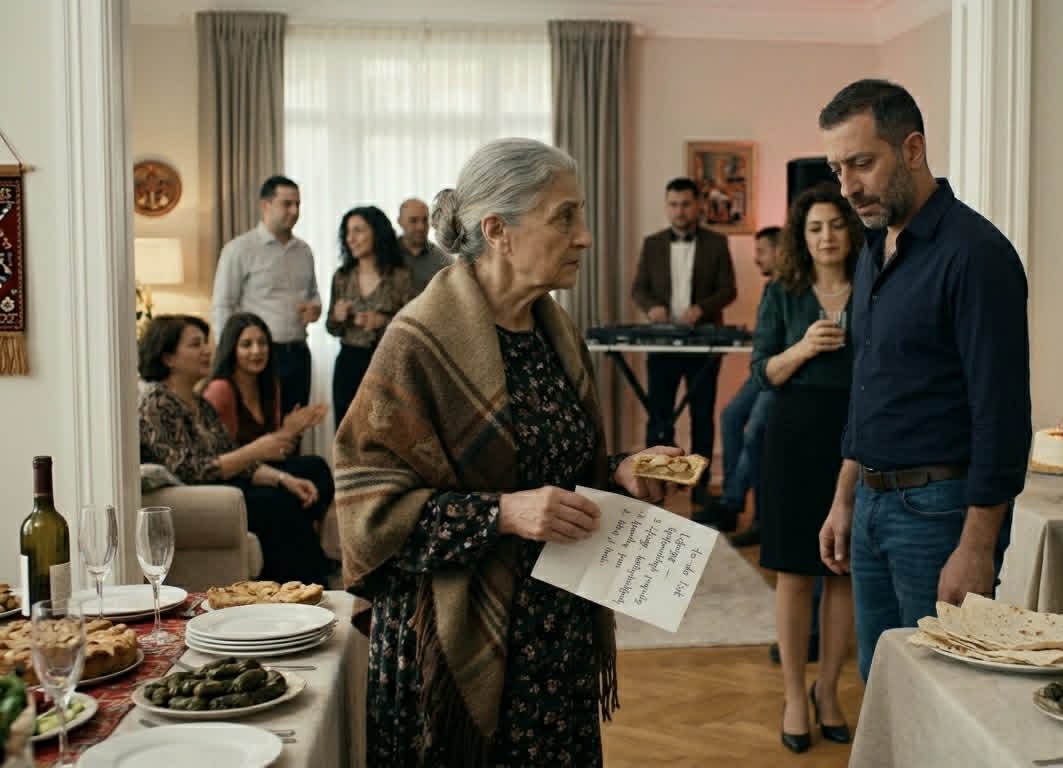
Like every year, I invited family over quietly. No balloons. No decorations. Just dinner, candles, and the impossible absence sitting in the middle of the table.
Everyone avoided saying her name.
They talked about work.
Weather.
School.
Anything except my daughter.
Noah came too.
Ten years old now.
Taller.
Still quiet.
He had started speaking again over the last year, but only when necessary.
Most of the evening he stared at his plate without eating.
Then suddenly he slid out of his chair.
Walked around the table.
And stopped beside me.
“Aunt Claire…”
His voice was barely audible.
I leaned closer instantly.
“What is it, sweetheart?”
His face had gone white.
He bent toward my ear.
And whispered:
“I know what happened to Isla that night.”